Synthetic Identity Fraud: Why It's Hard to Catch
Synthetic identity fraud can pair a real SSN with invented identity details, so monitoring only your name may miss a file that is being built around your identifier.
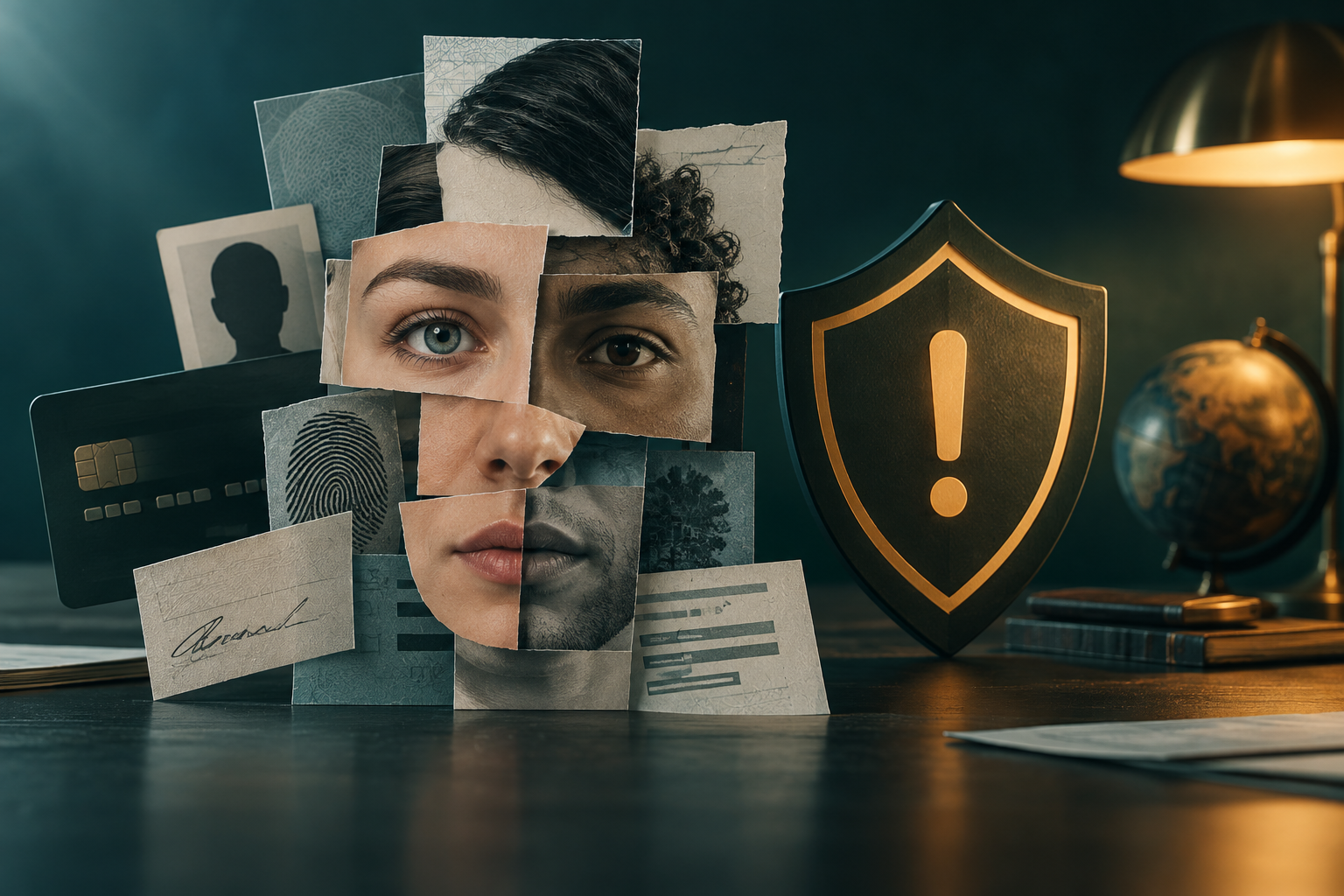
Synthetic identity fraud is not simply someone pretending to be you. A fraudster may combine a real Social Security number with a different name, date of birth, address, or phone number and use that mixture to build a separate credit identity. Children and people who rarely use credit can be attractive targets because the SSN may sit quietly for years. The practical consequence is that name-based monitoring can miss the problem. If an unexpected file, collection, employment record, or government notice points to your SSN, investigate the identifier even when the other identity details do not match you.
Why the file can look “wrong” instead of obviously stolen
Traditional identity theft often produces an account opened in your name. A synthetic identity may instead create a bureau file with your SSN but an unfamiliar name and address. Early applications can be denied, but repeated use may gradually create enough history for larger credit lines. By the time a collection notice reaches the true SSN holder, the synthetic profile may have months or years of activity.
This is one reason a child can receive credit-related mail despite never having applied for credit. It is also why an adult should not dismiss a report solely because “that name isn’t mine.” The identifier linkage is the question. Ask the bureau or creditor which SSN and other data were used and follow its identity-theft process to separate your identity from the synthetic profile.
Consider a credit file that contains an unfamiliar account but also has a name variation or address that does not match the consumer exactly. Do not try to explain the mismatch away as “just a typo” before contacting the bureau and source creditor. The combination may be the clue that an SSN was attached to a partly invented identity. Save the file as it appeared, identify the creditor, and ask for the application records that show what name, date of birth, address, and contact information were used. The mismatch itself is evidence worth preserving before corrections begin.
Keep in mind that it is not enough to think synthetic fraud must look like a complete copy of your identity. By definition, the problem can involve a mixture of real and fabricated identifiers, which is why the record may look internally inconsistent rather than obviously stolen. That difference also explains why “fixing the spelling” is not enough. If the underlying account was opened under a false identity using your SSN, the goal is to remove the unauthorized relationship, not to make the synthetic profile look more like you. Keep each request tied to the account or identifier misuse, not to cosmetic consistency.
Start with bureau evidence and the source creditor
If a credit file exists, preserve the report and mark accounts, inquiries, addresses, and names that do not belong to you. Contact the lender or creditor fraud department and explain that the SSN is yours but the rest of the application may belong to a synthetic identity. Request the application or transaction records available to identity-theft victims and keep the FTC Identity Theft Report with the packet.
A freeze is useful because it can restrict future access to the credit file associated with your SSN, but it does not erase the synthetic history already present. Work the existing accounts through the bureau and furnisher correction processes. If the synthetic file is fragmented across bureaus, expect the evidence to differ; do not assume a clean report at one bureau means the other two are clear.
| Clue | Why it matters | Next check |
|---|---|---|
| Credit file for a young child | A child may have no legitimate credit history | Use all three bureaus’ minor/protected-consumer processes |
| Different name with your SSN | Can indicate a synthetic profile rather than a simple name typo | Ask bureau and creditor how the identifier is linked |
| Unknown hard inquiries without open accounts | Could show failed or early-stage applications | Contact the named creditors and freeze the file |
| Collection for an unfamiliar borrower identity | The synthetic profile may have matured and defaulted | Get account/application records and report identity theft |
| Employment or E-Verify activity under your SSN | The identifier may be used outside traditional credit | Review my Social Security and myE-Verify records |
The next step changes with a minor whose SSN has been used for years without producing mail to the family home. The first signal may arrive only when the child later seeks credit or benefits. Guardian records, old bureau responses, and creditor correspondence become valuable because they show that the family challenged the misuse before the child had any legitimate credit history. Keep a durable case file and revisit the relevant reports on a sensible schedule. Synthetic identity recovery is often about proving separation over time, not winning one isolated dispute and discarding the evidence.
Employment systems provide a second lens
DHS’s myE-Verify service includes Self Lock, which can prevent unauthorized use of your SSN in E-Verify and Self Check while the lock is active. It also provides case history and Self Check features. This does not block all employment misuse—many employers or situations may fall outside E-Verify—but it is a useful control when your SSN appears to be used for work authorization. Before a legitimate employer runs E-Verify, remember that a Self Lock may need to be removed.
SSA separately maintains your earnings record. If wages from an unfamiliar employer appear, SSA can help correct earnings that are not yours. In August 2026 SSA updated guidance describing an online correction option for some users and an in-person path for others. These records are important because synthetic or employment misuse can exist even when your consumer credit reports look normal.
Child cases require durable guardian records
For a child under 16, FTC guidance allows a parent or guardian to request a free security freeze. The bureau will require documents showing the child’s identity and the adult’s authority. Preserve those confirmations for years. When the child approaches the age of legitimate credit use, explain the history and how to access the freezes so the protection does not become an unexplained obstacle.
- □ Treat the SSN as the anchor of the investigation even when the displayed name or birth date is different.
- □ Pull or request the relevant bureau files and save the version showing the synthetic data.
- □ Freeze Equifax, Experian, and TransUnion to reduce additional credit applications tied to the identifier.
- □ Ask creditors for application records that show names, addresses, phones, or devices used in the synthetic profile.
- □ Review SSA earnings and myE-Verify history when employment misuse is plausible.
- □ Keep a single chronology that links every alias or account to the same compromised identifier.
Do not try to “merge” the synthetic profile into your real credit history
The goal is to remove information that resulted from identity theft, not to make the bureau treat the fraudster’s years of payments as your credit history. A synthetic account may initially have good payment history before “busting out” with large balances. That history still does not belong to you. Be explicit in disputes that the account and aliases resulted from misuse of your SSN and should not be associated with your file.
If the bureau says the information matches you because of the SSN, provide the identity-theft report and identification required for the block or dispute process. Ask what additional evidence it needs to separate the synthetic consumer. The mismatch of names and dates is part of the evidence, not a reason to abandon the request.
Prevention is mostly about reducing the SSN’s usefulness
You cannot rotate an SSN like a password. Practical controls therefore focus on freezing credit files, locking employment verification when appropriate, using an IRS IP PIN for tax filing, protecting primary email and phone recovery channels, and watching the records most relevant to the exposure. Paid dark-web monitoring may tell you that an SSN appeared in a dataset, but it cannot remove the identifier or stop a lender from accessing an unfrozen file.
Recovery ends when the false identity is no longer attached to your records
Close the case only after the fraudulent accounts are corrected, bureau aliases or addresses are handled as appropriate, employment or earnings misuse is addressed, and future-use controls are active. Preserve the record because synthetic identities can reappear through another creditor using the same stolen SSN. The objective is not to prove how the fraudster originally obtained the number; it is to make the identifier materially harder to use and to detach the false history from the real person.
Questions specific to Synthetic Identity Fraud: Why It's Hard to Catch
How is synthetic identity fraud different from ordinary identity theft?
Synthetic fraud mixes real and invented identity elements. A real SSN may be paired with a different name, date of birth, or address, creating a profile that does not look exactly like the victim.
Can a credit freeze stop synthetic identity fraud?
A freeze can restrict new access to the credit file and reduce further credit applications, but it does not remove synthetic accounts or aliases that already exist. Those require correction or identity-theft block work.
Why are children often mentioned in synthetic identity fraud?
A child’s SSN may have little legitimate credit activity, allowing misuse to go unnoticed. An unexpected credit file or collection notice can therefore be an important warning sign.
Can Self Lock stop someone from working under my SSN?
myE-Verify Self Lock can prevent use of the locked SSN in E-Verify and Self Check while active. It does not cover every employment situation, so also review SSA earnings and other evidence of misuse.